Incredible Denver Wealth Management 2023. The denver wealth management group can help you achieve your financial goals. Janiczek wealth management is nationally recognized as a top fiancial advisor.
Is a Wealth Manager Right for You? Rosel from morganrosel.com
We provide personalized financial planning, tax strategies and investment management. Janiczek wealth management is nationally recognized as a top fiancial advisor. 950 17th street, 5th floor.
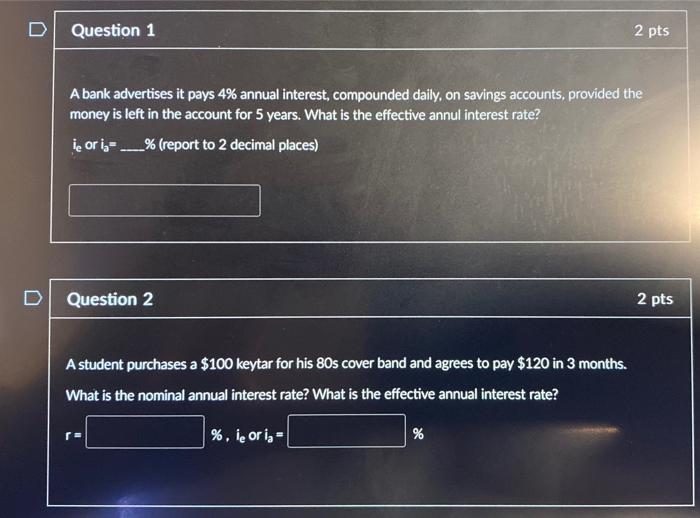
The Best A Bank Advertises It Pays 4 Annual Interest References. A bank advertises it pays 4% annual interest, com pounded daily, on savings accounts,. Web bank a advertises a money market account that pays 3.7% compounded quarterly.
Solved A bank advertises it pays 4 annual interest, from www.chegg.com
Web the bank pays 4 % 365 \displaystyle \frac{4\%}{365} 365 4% interest per day, so on an annual basis, the nominal rate is. View the full answer transcribed image. Web a bank advertises that it pays interest on savings accounts at the rate of 4 3 4 % 4 \frac{3}{4} \% 4 4 3 % compounded daily.
The Power of Advertising: A Comprehensive Guide
I. Introduction
In today's fast-paced and extremely competitive organization landscape, advertising plays a pivotal role in shaping the success and development of companies worldwide. This short article looks into the fundamental aspects of advertising, clarifying its indicating, highlighting its huge significance and effect on contemporary service, and exploring the underlying purpose and goals that drive advertising methods.
A. Definition of Advertising
Advertising, in its essence, refers to the strategic communication and promotion of items, services, or concepts to target market with the intention of influencing their habits and driving particular actions. It is a fluctuating and creative marketing approach that utilizes different channels and mediums to provide persuasive messages and catch the attention of possible consumers.
At its heart, advertising objectives to bridge the gap in between organizations and consumers, successfully communicating the worth proposals of product or services, thus promoting need and cultivating brand name awareness. It is a varied practice that incorporates creativity, psychology, information analytics, and marketing research to craft engaging projects that resonate with the target audience.
B. Importance and Impact of Advertising in Modern Business
In the contemporary company landscape, advertising stands as a essential pillar for business seeking to flourish and keep a competitive edge. Its significance lies in a number of crucial areas:
Brand Awareness and Recognition: Advertising serves as the lead in structure brand name awareness and recognition. It raises a brand's exposure in the market, making it familiar to customers and helping with recall when they are ready to make getting decisions.
Driving Sales and Revenue: Effective marketing campaign straight effect sales and profits generation. By reaching potential purchasers, articulating product advantages, and engaging them to do something about it, advertising drives consumers through the sales funnel, eventually enhancing success.
Creating a Unique Brand Identity: Through consistent messaging and innovative storytelling, advertising assists shape a brand's identity and personality. It allows companies to separate themselves from competitors, cultivating a loyal consumer base.
Market Penetration and Expansion: For new market entrants or businesses seeking expansion, advertising serves as a potent tool to permeate new markets and reach untapped customer sections, widening their consumer base.
Cultivating Customer Loyalty: Advertising is not solely about obtaining brand-new customers but also about maintaining existing ones. Routine engagement through advertising strengthens brand name loyalty, motivating repeat purchases and advocacy.
C. Purpose and Objectives of Advertising
The overarching function of advertising focuses on attaining particular goals that line up with a company's marketing and company objectives. The key objectives include:
Informing and Educating: Advertising informs customers about new products, services, or developments, providing essential details to make educated choices.
Encouraging and Influencing: A main goal of advertising is to impact prospective consumers to prefer a specific brand name over its competitors, impacting their purchasing options favorably.
Altering Perception: In cases where a brand deals with obstacles or misunderstandings, advertising can be critical in moving public understanding and reshaping the brand's image.
Motivating Action: Whether it's purchasing, registering for a service, or engaging with the brand name, advertising aims to prompt specific actions from the target market.
Creating an Emotional Connection: Compelling advertising appeals to emotions, intending to establish a psychological connection between the brand name and customers, cultivating loyalty and long-lasting relationships.
It works as a vital force that drives modern-day company success. With its ability to reach huge audiences, affect consumer habits, and shape brand name perception, advertising remains an essential element in the marketing mix of businesses across markets. Comprehending its definition, recognizing its significance, and applying its function and objectives are vital steps for companies seeking to harness the true capacity of advertising in their journey towards success.
II. Historic Evolution of Advertising
A. Early Forms of Advertising
Advertising, in various kinds, has been an important part of human history because ancient times. Early civilizations used simple methods to promote items and services, leveraging basic communication techniques to reach prospective consumers. Some early kinds of advertising consist of:
Pictorial Signage: In ancient marketplaces, traders used pictorial indications and symbols to determine their shops and indicate the items they used. These visual cues functioned as an early form of branding and assisted illiterate individuals acknowledge organizations.
Town Criers: In middle ages Europe, town criers played an important function in disseminating information and advertising occasions. They would publicly announce news, pronouncements, and commercial messages, functioning as human "speakers" for companies and authorities.
Handbills and Posters: In the 17th and 18th centuries, printed handbills and posters ended up being popular advertising tools. These promotional materials were plastered on walls, trees, and other public spaces to inform the local community about products, services, and events.
B. The Birth of Modern Advertising
The Industrial Revolution in the 19th century produced considerable changes to the advertising landscape. Developments in innovation and mass production, paired with the growth of city centers, produced brand-new chances for businesses to reach bigger audiences. Key milestones in the birth of contemporary advertising consist of:
Newspapers and Magazines: With the increase of industrialization and the printing press, newspapers and publications became prominent advertising platforms. Services began putting paid advertisements in publications, targeting specific demographics based on readership.
Branding and Logos: As competitors increased, businesses recognized the requirement for differentiation. They began embracing logo designs and mottos to establish brand identities that customers might recognize and trust.
Advertising Agencies: In the late 19th century, the very first ad agency were established, marking a shift from specific organizations managing their promos to customized companies using advertising services. These companies brought a more tactical and imaginative technique to advertising.
B. Broadcast Advertising
Broadcast advertising includes reaching a broad audience through audio or visual media channels. This type of advertising prevails in both conventional and digital formats.
Tv Commercials
Tv commercials have actually been a staple of advertising given that the advent of tv itself. They offer a vibrant way to catch the attention of viewers utilizing visuals, audio, and storytelling. Tv commercials can range from short 15-second spots to longer formats, depending upon the budget plan and time slots purchased.
Television advertising enables services to use popular television programs, occasions, or sports broadcasts, enabling them to reach an enormous and diverse audience. With the rise of streaming platforms and on-demand services, marketers have actually adjusted their techniques to reach audiences who consume material through alternative methods.
Radio Ads
Radio advertising remains an important option for businesses to engage with audiences while they are on the go. These advertisements take advantage of the power of audio to communicate messages and produce brand awareness. Radio areas can be customized to specific time slots or radio stations that align with the target market's interests.
Despite the visual restrictions, radio ads can be extremely effective in developing a brand name's sonic identity and developing a strong connection with listeners through appealing jingles or memorable taglines.
The Landscape of Digital Advertising
In the busy digital age, advertising has actually progressed considerably, moving from standard mediums to the large landscape of the web. Digital advertising, a dynamic and ever-changing world, has become an essential element of contemporary marketing strategies. In this short article, we will explore the different kinds of digital advertising, including online banner advertisements, social networks advertising, online search engine marketing (SEM), and e-mail marketing.
Online Banner Ads
Online banner advertisements are among the earliest and most identifiable forms of digital advertising. These visual advertisements are shown on sites, usually at the top, bottom, or sides of a page. Banner advertisements can be static images, animated gifs, or even interactive multimedia components. They aim to get the attention of website visitors and direct them to the advertiser's website or landing page. The success of banner advertisements counts on compelling visuals, memorable copy, and tactical advertisement placement on pertinent websites.
Social Network Advertising
The increase of social networks platforms has actually revolutionized how businesses reach their target market. Social network advertising involves producing and promoting ads on popular social media networks such as Facebook, Instagram, Twitter, LinkedIn, and others. These platforms provide advanced targeting choices based on demographics, interests, behaviors, and even custom audience segments. Social media ads can take numerous formats, including image ads, video ads, carousel advertisements, and sponsored posts. The interactive and extremely appealing nature of social networks ads permits brand names to develop strong connections with their audience and drive conversions.
Search Engine Marketing (SEM)
Search Engine Marketing (SEM) is a kind of paid advertising that aims to increase a site's presence on search engine results pages (SERPs). It involves bidding on specific keywords relevant to business, and when users search for those keywords, the advertisements appear on top or bottom of the search results page. SEM can be highly reliable as it targets users actively looking for products or services connected to the marketer's offerings. Google Ads (previously called Google AdWords) is the most popular platform for SEM, however other online search engine like Bing likewise offer comparable advertising opportunities.
Email Marketing
Email marketing stays a powerful tool for companies to connect with their existing and potential customers. It involves sending targeted emails to a thoroughly curated list of customers. These emails can serve various functions, such as promoting new products, offering exclusive deals, sharing valuable material, or nurturing leads through automated drip projects. Email marketing can be highly individualized, allowing services to customize messages based on user preferences and habits. To be effective, e-mail marketing requires compelling material, well-designed templates, and compliance with anti-spam policies.
Digital advertising has actually opened up a world of chances for organizations to get in touch with their audience in more customized and impactful ways. Online banner advertisements, social networks advertising, search engine marketing, and e-mail marketing are simply a few of the many tactics available to marketers in the digital realm. As technology continues to advance, advertisers must stay nimble and ingenious to make the most of the diverse possibilities provided by digital advertising and achieve their marketing objectives.
IV. The Psychology of Advertising
Advertising is an essential element of modern service, created to affect and encourage consumers to purchase service or products.
Behind every successful advertising campaign lies a complex understanding of human psychology.
Marketers take advantage of numerous mental concepts to capture attention, evoke emotions, and ultimately drive purchasing choices.
In this short article, we will look into the fascinating world of the psychology of advertising, exploring how it forms consumer habits
and utilizes persuasion techniques to accomplish its goals.
Understanding Consumer Behavior
Customer habits is the research study of how individuals make decisions to satisfy their wants and needs.
Effective advertisers dive deep into understanding their target audience to create more effective campaigns.
Some key aspects of consumer habits that advertisers think about consist of:
A. Inspiration: Understanding the requirements, desires, and inspirations that drive consumers to take action.
B. Perception: Analyzing how customers view and translate advertising messages, visuals, and brand name identities.
C. Attention: Capturing and maintaining the attention of consumers in the middle of the constant barrage of ads in the modern world.
D. Memory: Developing remarkable advertising experiences that remain in the minds of consumers long after direct exposure.
E. Decision-making: Identifying factors that affect customers' purchase choices, such as social evidence, reviews, and sob stories.
The Power of Emotions in Advertising
Feelings play a considerable role in advertising, as they can create a strong connection between the audience and the brand name.
Marketers typically use emotional appeals to trigger specific sensations, such as pleasure, fond memories, fear, or compassion.
Emotional advertising can be particularly efficient in brand name storytelling and building brand commitment.
By eliciting emotional actions, advertisers can create a deeper bond with customers, leading to increased brand recall and favorable associations.
The Art and Science of Advertising:
Advertising is both an art and a science. It needs imaginative ingenuity to establish compelling content that captures
attention and leaves a long lasting impression. At the same time, data-driven insights and innovation play an important function in
enhancing advertisement performance, making sure that advertising efforts are not only eye-catching but also cost-effective.
Striking the ideal balance between imagination and data-driven methods is important for successful projects.
Ethical Considerations:
In a world where customers are increasingly mindful of the brands they support, principles in advertising have ended up being
more vital than ever. Advertisers must be mindful of the material they produce, preventing misleading claims, misleading
practices, or offending product. Industry self-regulation and adherence to advertising requirements are critical in
keeping customer trust and upholding the integrity of the advertising occupation.
Measuring Advertising Efficiency:
To justify advertising financial investments, organizations must rely on robust metrics and crucial performance indications (KPIs) to
step campaign success. From reach and engagement metrics to return on investment (ROI) analysis, advertisers require to
constantly evaluate the impact of their advertising efforts. Nevertheless, measuring advertising effectiveness can be
difficult, especially when associating sales and conversions to particular advertising campaign in today's intricate customer
journey.
The Future of Advertising:
Looking ahead, the future of advertising promises to be a lot more dynamic and ingenious. Developments in innovation,
such as expert system (AI), artificial intelligence, enhanced truth (AR), and virtual reality (VR), will open
brand-new possibilities for creating immersive and individualized advertising experiences. Advertisers will require to adjust to
these emerging patterns, utilizing the power of data and creativity to create meaningful connections with their
audiences.
In conclusion, advertising remains a basic component in the success of companies and brand names worldwide. As we welcome the ever-changing landscape of advertising, it is vital to keep in mind that its true power depends on the ability to motivate, notify, and evoke emotions within customers. By combining imagination with data-driven methods and supporting ethical standards, marketers can continue to captivate audiences and drive development for their organizations.
In this digital age, where customers are inundated with numerous messages every day, the true art of advertising depends on producing meaningful and genuine connections that stand the test of time. As the advertising market continues to develop, one thing stays certain: the art of storytelling through advertising will permanently stay an ageless and compelling force in the world of marketing and communication.
Cool How To Stop Advertisement On Iphone References. Web simple as this: It's a green button in the middle of the page.
This Cydia Tweak Stops iPhone Apps Copying Your Address Book from thenextweb.com
Its app icon resembles a red, yellow, green, and blue sphere. This option is in the menu below the download button. Web no jailbreak required!
The Power of Advertising: A Comprehensive Guide
I. Introduction
In today's hectic and highly competitive organization landscape, advertising plays a critical role in shaping the success and growth of organizations worldwide. This short article looks into the essential elements of advertising, clarifying its definition, highlighting its huge value and effect on modern company, and exploring the underlying function and objectives that drive advertising techniques.
A. Definition of Advertising
Advertising, in its essence, refers to the tactical interaction and promotion of products, services, or ideas to target audiences with the intention of affecting their behavior and driving particular actions. It is a varying and creative marketing approach that utilizes different channels and mediums to deliver convincing messages and capture the attention of prospective consumers.
At its heart, advertising objectives to bridge the gap between services and consumers, successfully communicating the value propositions of products and services, therefore stimulating demand and cultivating brand name awareness. It is a versatile practice that incorporates imagination, psychology, information analytics, and marketing research to craft engaging campaigns that resonate with the target market.
B. Importance and Impact of Advertising in Modern Business
In the contemporary company landscape, advertising stands as a essential pillar for business wanting to thrive and keep an one-upmanship. Its significance depends on several crucial areas:
Brand Awareness and Recognition: Advertising acts as the lead in structure brand name awareness and acknowledgment. It raises a brand name's exposure in the market, making it familiar to customers and facilitating recall when they are ready to make getting choices.
Driving Sales and Revenue: Effective ad campaign straight impact sales and revenue generation. By reaching prospective buyers, articulating product benefits, and compelling them to do something about it, advertising drives customers through the sales funnel, ultimately enhancing profitability.
Creating a Unique Brand Identity: Through consistent messaging and creative storytelling, advertising helps form a brand's identity and personality. It makes it possible for companies to distinguish themselves from rivals, promoting a loyal consumer base.
Market Penetration and Expansion: For brand-new market entrants or organizations looking for growth, advertising works as a potent tool to permeate brand-new markets and reach untapped consumer sections, broadening their consumer base.
Cultivating Customer Loyalty: Advertising is not solely about acquiring new customers but likewise about retaining existing ones. Regular engagement through advertising enhances brand loyalty, encouraging repeat purchases and advocacy.
C. Purpose and Objectives of Advertising
The overarching purpose of advertising revolves around attaining particular goals that line up with a company's marketing and service objectives. The essential objectives include:
Informing and Educating: Advertising contributes in informing consumers about new products, services, or innovations, equipping vital information to make informed choices.
Encouraging and Influencing: A main objective of advertising is to encourage possible clients to favor a specific brand over its rivals, impacting their acquiring options positively.
Altering Perception: In cases where a brand deals with challenges or misunderstandings, advertising can be crucial in modifying public perception and reshaping the brand's image.
Encouraging Action: Whether it's purchasing, registering for a service, or engaging with the brand, advertising aims to encourage specific actions from the target market.
Creating an Emotional Connection: Effective advertising interest feelings, aiming to create an emotional connection between the brand and consumers, cultivating commitment and long-lasting relationships.
Advertising serves as a vital force that drives contemporary company success. With its capability to reach vast audiences, influence customer habits, and shape brand name understanding, advertising remains an essential element in the marketing mix of organizations across industries. Valuing its meaning, understanding its significance, and applying its purpose and goals are important actions for companies seeking to harness the true potential of advertising in their journey towards success.
II. Historic Evolution of Advertising
A. Early Forms of Advertising
Advertising, in various types, has been an integral part of human history because ancient times. Early civilizations used simple approaches to promote goods and services, leveraging basic interaction techniques to reach potential consumers. Some early forms of advertising consist of:
Pictorial Signage: In ancient markets, traders used pictorial signs and signs to identify their stores and show the products they used. These visual cues served as an early form of branding and assisted illiterate individuals acknowledge businesses.
Town Criers: In middle ages Europe, town criers played an important role in sharing info and advertising events. They would publicly reveal news, proclamations, and spot announcements, serving as human "speakers" for businesses and authorities.
Handbills and Posters: In the 17th and 18th centuries, printed handbills and posters became popular advertising tools. These advertising products were plastered on walls, trees, and other public spaces to notify the regional community about products, services, and events.
B. The Birth of Modern Advertising
The Industrial Revolution in the 19th century produced considerable modifications to the advertising landscape. Developments in technology and mass production, coupled with the growth of urban centers, created brand-new opportunities for organizations to reach bigger audiences. Secret milestones in the birth of contemporary advertising include:
Newspapers and Magazines: With the rise of industrialization and the printing press, papers and magazines became prominent advertising platforms. Organizations began placing paid advertisements in publications, targeting specific demographics based on readership.
Branding and Logos: As competitors increased, companies acknowledged the need for differentiation. They began embracing logos and slogans to establish brand identities that consumers could acknowledge and trust.
Advertising Agencies: In the late 19th century, the first advertising agencies were established, marking a shift from individual organizations managing their promotions to specialized companies providing advertising services. These companies brought a more tactical and imaginative method to advertising.
B. Broadcast Advertising
Broadcast advertising involves reaching a large audience through audio or visual media channels. This type of advertising is prevalent in both standard and digital formats.
Television Commercials
Tv commercials have actually been a staple of advertising given that the advent of television itself. They use a dynamic way to record the attention of viewers utilizing visuals, audio, and storytelling. Television commercials can vary from brief 15-second areas to longer formats, depending upon the budget plan and time slots purchased.
Television advertising permits services to use popular TV programs, events, or sports broadcasts, enabling them to reach a huge and diverse audience. With the rise of streaming platforms and on-demand services, advertisers have actually adapted their methods to reach audiences who take in content through alternative ways.
Radio Ads
Radio advertising stays a valuable alternative for organizations to engage with audiences while they are on the go. These advertisements take advantage of the power of audio to convey messages and produce brand awareness. Radio spots can be customized to specific time slots or radio stations that line up with the target market's interests.
In spite of the visual restrictions, radio ads can be extremely reliable in building a brand's sonic identity and establishing a strong connection with listeners through appealing jingles or unforgettable taglines.
The Landscape of Digital Advertising
In the fast-paced digital age, advertising has actually developed considerably, shifting from standard mediums to the large landscape of the web. Digital advertising, a dynamic and ever-changing realm, has actually ended up being a vital component of modern marketing techniques. In this article, we will delve into the numerous types of digital advertising, including online banner advertisements, social networks advertising, online search engine marketing (SEM), and email marketing.
Online Banner Ads
Online banner ads are one of the earliest and most recognizable kinds of digital advertising. These graphical advertisements are displayed on sites, normally at the top, bottom, or sides of a page. Banner ads can be static images, animated gifs, and even interactive multimedia components. They aim to get the attention of site visitors and direct them to the marketer's website or landing page. The success of banner ads counts on engaging visuals, memorable copy, and strategic ad placement on appropriate sites.
Social Network Advertising
The rise of social media platforms has actually revolutionized how organizations reach their target market. Social media advertising involves creating and promoting advertisements on popular social media networks such as Facebook, Instagram, Twitter, LinkedIn, and others. These platforms use sophisticated targeting choices based upon demographics, interests, habits, and even custom audience sectors. Social media advertisements can take different formats, consisting of image ads, video advertisements, carousel ads, and sponsored posts. The interactive and extremely appealing nature of social media advertisements permits brand names to establish strong connections with their audience and drive conversions.
Online Search Engine Marketing (SEM)
Search Engine Marketing (SEM) is a kind of paid advertising that aims to increase a website's visibility on online search engine results pages (SERPs). It includes bidding on specific keywords appropriate to business, and when users look for those keywords, the advertisements appear on top or bottom of the search engine result. SEM can be highly reliable as it targets users actively searching for products or services associated with the marketer's offerings. Google Ads (formerly referred to as Google AdWords) is the most popular platform for SEM, however other search engines like Bing also provide comparable advertising chances.
Email Marketing
Email marketing stays a potent tool for services to connect with their existing and potential consumers. It involves sending targeted e-mails to a carefully curated list of subscribers. These e-mails can serve different purposes, such as promoting new items, offering exclusive deals, sharing valuable material, or nurturing leads through automated drip campaigns. Email marketing can be extremely customized, allowing companies to customize messages based on user choices and habits. To be effective, email marketing needs engaging content, properly designed design templates, and compliance with anti-spam regulations.
Digital advertising has opened a world of chances for services to connect with their audience in more personalized and impactful ways. Online banner ads, social networks advertising, search engine marketing, and email marketing are just a few of the many tactics available to marketers in the digital world. As technology continues to advance, advertisers need to stay nimble and ingenious to maximize the diverse possibilities provided by digital advertising and attain their marketing objectives.
IV. The Psychology of Advertising
Advertising is a vital element of modern-day business, designed to influence and persuade consumers to buy service or products.
Behind every effective marketing campaign lies a complex understanding of human psychology.
Marketers take advantage of numerous psychological principles to record attention, evoke feelings, and eventually drive buying decisions.
In this short article, we will delve into the remarkable world of the psychology of advertising, checking out how it forms consumer habits
and utilizes persuasion methods to attain its objectives.
Comprehending Consumer Behavior
Customer habits is the research study of how people make decisions to satisfy their needs and wants.
Successful advertisers dive deep into understanding their target audience to develop more effective campaigns.
Some key aspects of customer habits that marketers consider consist of:
A. Inspiration: Comprehending the needs, desires, and motivations that drive customers to do something about it.
B. Understanding: Examining how customers perceive and analyze advertising messages, visuals, and brand identities.
C. Attention: Recording and retaining the attention of customers amidst the constant barrage of ads in the modern world.
D. Memory: Producing memorable advertising experiences that stay in the minds of customers long after direct exposure.
E. Decision-making: Recognizing elements that influence consumers' purchase choices, such as social evidence, reviews, and sob stories.
The Power of Emotions in Advertising
Emotions play a substantial function in advertising, as they can develop a strong connection in between the audience and the brand name.
Advertisers typically utilize emotional appeals to set off particular sensations, such as delight, nostalgia, fear, or empathy.
Emotional advertising can be particularly efficient in brand name storytelling and building brand loyalty.
By eliciting psychological reactions, marketers can forge a much deeper bond with consumers, leading to increased brand name recall and favorable associations.
The Art and Science of Advertising:
Advertising is both an art and a science. It requires imaginative resourcefulness to develop engaging material that records
attention and leaves a long lasting impression. Simultaneously, data-driven insights and technology play an essential function in
enhancing ad efficiency, guaranteeing that advertising efforts are not just captivating but likewise economical.
Striking the ideal balance between imagination and data-driven strategies is essential for effective projects.
Ethical Factors to consider:
In a world where consumers are significantly mindful of the brand names they support, principles in advertising have ended up being
more crucial than ever. Advertisers should be mindful of the material they develop, avoiding misleading claims, deceptive
practices, or offensive material. Industry self-regulation and adherence to advertising standards are vital in
maintaining consumer trust and promoting the integrity of the advertising profession.
Measuring Advertising Effectiveness:
To justify advertising financial investments, companies need to depend on robust metrics and key efficiency signs (KPIs) to
procedure project success. From reach and engagement metrics to return on investment (ROI) analysis, marketers require to
continuously assess the effect of their advertising efforts. Measuring advertising effectiveness can be
difficult, particularly when associating sales and conversions to particular ad campaigns in today's intricate customer
journey.
The Future of Advertising:
Looking ahead, the future of advertising assures to be much more vibrant and ingenious. Improvements in technology,
such as expert system (AI), machine learning, augmented reality (AR), and virtual reality (VR), will open up
new possibilities for developing immersive and individualized advertising experiences. Advertisers will require to adjust to
these emerging trends, harnessing the power of data and creativity to create meaningful connections with their
audiences.
In conclusion, advertising stays an essential aspect in the success of services and brand names worldwide. As we welcome the ever-changing landscape of advertising, it is important to bear in mind that its true power lies in the ability to inspire, notify, and evoke emotions within consumers. By integrating imagination with data-driven strategies and supporting ethical requirements, advertisers can continue to mesmerize audiences and drive growth for their organizations.
In this digital age, where consumers are inundated with countless messages every day, the true art of advertising lies in creating significant and authentic connections that stand the test of time. As the advertising market continues to evolve, something remains certain: the art of storytelling through advertising will permanently remain a timeless and compelling force in the world of marketing and communication.
Cool How Does Zara Advertise Ideas. Web we analyze the marketing and advertising strategy of zara, the spanish fashion brand that does not carry out conventional advertising. Web here’s what makes zara truly unique:
Zara Does Dreamy 70s Style for Spring 2015 Campaign Fashion Gone Rogue from www.fashiongonerogue.com
Every human being is innately. Web how does zara survive despite minimal advertising? That’s promotional marketing and while it.
The Power of Advertising: A Comprehensive Guide
I. Introduction
In today's busy and extremely competitive organization landscape, advertising plays a pivotal function in shaping the success and growth of organizations worldwide. This short article explores the fundamental aspects of advertising, shedding light on its meaning, highlighting its enormous value and effect on modern business, and exploring the underlying function and objectives that drive advertising methods.
A. Definition of Advertising
Advertising, in its essence, describes the tactical communication and promotion of items, services, or concepts to target audiences with the intention of influencing their behavior and driving particular actions. It is a vibrant and creative marketing method that utilizes various channels and mediums to deliver convincing messages and capture the attention of possible customers.
At its heart, advertising objectives to bridge the gap in between organizations and customers, effectively conveying the worth propositions of product or services, consequently stimulating need and promoting brand awareness. It is a diverse practice that includes imagination, psychology, information analytics, and market research to craft engaging projects that resonate with the target market.
B. Importance and Impact of Advertising in Modern Business
In the contemporary business landscape, advertising stands as a crucial pillar for business seeking to thrive and keep an one-upmanship. Its significance depends on a number of essential locations:
Brand Awareness and Recognition: Advertising works as the lead in building brand name awareness and acknowledgment. It elevates a brand's visibility in the market, making it familiar to consumers and assisting in recall when they are ready to make getting choices.
Driving Sales and Revenue: Effective advertising campaigns directly effect sales and earnings generation. By reaching possible buyers, articulating product advantages, and engaging them to act, advertising drives consumers through the sales funnel, ultimately increasing success.
Producing a Unique Brand Identity: Through constant messaging and innovative storytelling, advertising helps shape a brand's identity and character. It makes it possible for companies to differentiate themselves from competitors, promoting a faithful client base.
Market Penetration and Expansion: For brand-new market entrants or businesses looking for expansion, advertising serves as a powerful tool to penetrate brand-new markets and reach untapped customer segments, expanding their consumer base.
Cultivating Customer Loyalty: Advertising is not exclusively about acquiring brand-new customers but also about keeping existing ones. Regular engagement through advertising reinforces brand name loyalty, encouraging repeat purchases and advocacy.
C. Purpose and Objectives of Advertising
The overarching purpose of advertising revolves around attaining specific objectives that align with a business's marketing and business goals. The key objectives consist of:
Informing and Educating: Advertising contributes in informing customers about new items, services, or innovations, providing necessary details to make informed choices.
Persuading and Influencing: A central goal of advertising is to convince potential clients to favor a particular brand name over its rivals, impacting their getting options positively.
Changing Perception: In cases where a brand deals with challenges or misunderstandings, advertising can be important in changing public understanding and improving the brand name's image.
Encouraging Action: Whether it's buying, signing up for a service, or engaging with the brand, advertising intends to timely particular actions from the target audience.
Creating an Emotional Connection: Efficient advertising interest feelings, aiming to construct an emotional connection in between the brand and customers, cultivating commitment and long-term relationships.
Advertising functions as a vital force that drives modern service success. With its capability to reach large audiences, influence consumer behavior, and shape brand perception, advertising stays an essential element in the marketing mix of companies across industries. Recognizing its meaning, understanding its significance, and applying its purpose and objectives are vital steps for companies looking for to harness the true capacity of advertising in their journey towards prosperity.
II. Historic Evolution of Advertising
A. Early Forms of Advertising
Advertising, in numerous types, has actually been an essential part of human history since ancient times. Early civilizations utilized fundamental approaches to promote items and services, leveraging fundamental interaction techniques to reach potential consumers. Some early kinds of advertising consist of:
Pictorial Signage: In ancient markets, traders utilized pictorial signs and signs to determine their stores and indicate the items they used. These visual hints worked as an early form of branding and helped illiterate people recognize companies.
Town Criers: In middle ages Europe, town criers played an important function in sharing details and advertising occasions. They would openly reveal news, pronouncements, and commercial messages, serving as human "speakers" for organizations and authorities.
Handbills and Posters: In the 17th and 18th centuries, printed handbills and posters ended up being popular advertising tools. These promotional products were plastered on walls, trees, and other public areas to notify the regional community about products, services, and events.
B. The Birth of Modern Advertising
The Industrial Revolution in the 19th century produced significant modifications to the advertising landscape. Developments in innovation and mass production, combined with the growth of city centers, produced brand-new opportunities for businesses to reach larger audiences. Secret milestones in the birth of modern-day advertising consist of:
Newspapers and Magazines: With the increase of industrialization and the printing press, papers and magazines emerged as popular advertising platforms. Services began putting paid advertisements in publications, targeting specific demographics based upon readership.
Branding and Logos: As competition increased, services recognized the requirement for differentiation. They started adopting logo designs and slogans to establish brand identities that consumers might acknowledge and trust.
Advertising Agencies: In the late 19th century, the very first advertising agencies were developed, marking a shift from individual services handling their promos to specialized companies using advertising services. These firms brought a more strategic and creative approach to advertising.
B. Broadcast Advertising
Broadcast advertising includes reaching a large audience through audio or visual media channels. This kind of advertising is prevalent in both traditional and digital formats.
Tv Commercials
Tv commercials have actually been a staple of advertising because the introduction of television itself. They provide a dynamic way to record the attention of audiences utilizing visuals, audio, and storytelling. Tv commercials can vary from short 15-second areas to longer formats, depending on the budget plan and time slots purchased.
Television advertising enables businesses to tap into popular television shows, events, or sports broadcasts, enabling them to reach a massive and varied audience. With the rise of streaming platforms and on-demand services, marketers have adjusted their methods to reach viewers who consume content through alternative methods.
Radio Ads
Radio advertising remains a valuable alternative for businesses to engage with audiences while they are on the go. These ads utilize the power of audio to communicate messages and create brand name awareness. Radio areas can be tailored to particular time slots or radio stations that align with the target market's interests.
In spite of the visual limitations, radio ads can be highly efficient in constructing a brand's sonic identity and establishing a strong connection with listeners through memorable jingles or remarkable taglines.
The Landscape of Digital Advertising
In the fast-paced digital age, advertising has evolved substantially, shifting from conventional mediums to the vast landscape of the internet. Digital advertising, a vibrant and ever-changing realm, has actually ended up being an important element of modern-day marketing strategies. In this article, we will look into the various types of digital advertising, including online banner ads, social media advertising, search engine marketing (SEM), and email marketing.
Online Banner Ads
Online banner advertisements are one of the earliest and most recognizable types of digital advertising. These visual ads are displayed on websites, typically at the top, bottom, or sides of a page. Banner ads can be static images, animated gifs, and even interactive multimedia components. They intend to get the attention of website visitors and direct them to the marketer's site or landing page. The success of banner ads counts on compelling visuals, catchy copy, and strategic ad positioning on appropriate sites.
Social Network Advertising
The rise of social media platforms has actually transformed how services reach their target market. Social network advertising involves creating and promoting advertisements on popular social networks such as Facebook, Instagram, Twitter, LinkedIn, and others. These platforms provide advanced targeting choices based on demographics, interests, habits, and even custom-made audience sectors. Social network advertisements can take various formats, consisting of image ads, video ads, carousel ads, and sponsored posts. The interactive and highly engaging nature of social media ads enables brands to develop strong connections with their audience and drive conversions.
Search Engine Marketing (SEM)
Search Engine Marketing (SEM) is a type of paid advertising that aims to increase a website's visibility on online search engine results pages (SERPs). It includes bidding on particular keywords appropriate to business, and when users look for those keywords, the advertisements appear on top or bottom of the search engine result. SEM can be highly reliable as it targets users actively searching for products or services connected to the advertiser's offerings. Google Ads (formerly referred to as Google AdWords) is the most popular platform for SEM, however other online search engine like Bing likewise use comparable advertising chances.
Email Marketing
Email marketing remains a powerful tool for companies to connect with their existing and prospective clients. It involves sending targeted emails to a carefully curated list of subscribers. These e-mails can serve various functions, such as promoting new items, providing special offers, sharing important content, or nurturing leads through automated drip projects. Email marketing can be extremely individualized, allowing services to customize messages based on user preferences and habits. To be successful, e-mail marketing needs compelling material, properly designed design templates, and compliance with anti-spam guidelines.
Digital advertising has opened up a world of chances for organizations to get in touch with their audience in more individualized and impactful ways. Online banner advertisements, social networks advertising, search engine marketing, and email marketing are simply a few of the many techniques readily available to online marketers in the digital realm. As technology continues to advance, advertisers must remain agile and innovative to maximize the varied possibilities used by digital advertising and accomplish their marketing objectives.
IV. The Psychology of Advertising
Advertising is an important element of modern service, developed to influence and encourage consumers to buy products or services.
Behind every effective advertising campaign lies an intricate understanding of human psychology.
Advertisers leverage numerous psychological concepts to catch attention, evoke feelings, and ultimately drive purchasing decisions.
In this article, we will delve into the remarkable world of the psychology of advertising, exploring how it shapes customer habits
and utilizes persuasion techniques to achieve its goals.
Comprehending Consumer Behavior
Customer habits is the study of how people make decisions to satisfy their wants and needs.
Successful advertisers dig deep into comprehending their target market to produce more effective campaigns.
Some key aspects of consumer habits that advertisers consider consist of:
A. Motivation: Comprehending the requirements, desires, and motivations that drive consumers to act.
B. Perception: Analyzing how customers perceive and translate advertising messages, visuals, and brand name identities.
C. Attention: Catching and maintaining the attention of consumers in the middle of the constant barrage of advertisements in the contemporary world.
D. Memory: Creating unforgettable advertising experiences that remain in the minds of customers long after exposure.
E. Decision-making: Recognizing elements that affect customers' purchase choices, such as social proof, evaluations, and emotional appeals.
The Power of Emotions in Advertising
Emotions play a considerable role in advertising, as they can develop a strong connection in between the audience and the brand.
Marketers frequently utilize sob stories to activate particular sensations, such as joy, fond memories, fear, or empathy.
Emotional advertising can be particularly efficient in brand storytelling and structure brand name loyalty.
By generating emotional actions, marketers can forge a much deeper bond with customers, leading to increased brand recall and positive associations.
The Art and Science of Advertising:
Advertising is both an art and a science. It needs imaginative resourcefulness to establish compelling content that records
attention and leaves a long lasting impression. Simultaneously, data-driven insights and technology play a vital function in
optimizing advertisement performance, making sure that advertising efforts are not only attractive however likewise cost-efficient.
Striking the right balance between creativity and data-driven techniques is important for effective projects.
Ethical Considerations:
In a world where consumers are progressively mindful of the brand names they support, principles in advertising have actually become
more crucial than ever. Marketers must bear in mind the content they produce, avoiding deceptive claims, deceptive
practices, or offending material. Industry self-regulation and adherence to advertising standards are important in
keeping customer trust and upholding the integrity of the advertising occupation.
Measuring Advertising Effectiveness:
To validate advertising investments, companies must count on robust metrics and essential performance indications (KPIs) to
procedure campaign success. From reach and engagement metrics to return on investment (ROI) analysis, advertisers need to
continually examine the effect of their advertising efforts. Nevertheless, determining advertising efficiency can be
tough, especially when associating sales and conversions to particular advertising campaign in today's intricate consumer
journey.
The Future of Advertising:
Looking ahead, the future of advertising promises to be much more vibrant and ingenious. Developments in technology,
such as expert system (AI), artificial intelligence, enhanced reality (AR), and virtual reality (VR), will open up
new possibilities for creating immersive and personalized advertising experiences. Marketers will need to adjust to
these emerging patterns, utilizing the power of data and creativity to create meaningful connections with their
audiences.
In conclusion, advertising remains a basic element in the success of organizations and brands worldwide. As we accept the ever-changing landscape of advertising, it is vital to remember that its real power depends on the ability to influence, inform, and evoke emotions within customers. By combining imagination with data-driven methods and maintaining ethical standards, advertisers can continue to mesmerize audiences and drive growth for their organizations.
In this digital age, where customers are flooded with countless messages every day, the true art of advertising lies in developing significant and authentic connections that stand the test of time. As the advertising market continues to develop, something stays certain: the art of storytelling through advertising will permanently stay a classic and engaging force in the world of marketing and communication.
Integra 14 ft. x 8 ft. White Aluminum Attached Solid Patio Cover with 3 from www.homedepot.com
Are you tired of spending your summer days indoors because of the hot sun and the lack of shade outside? Do you want to enjoy your outdoor space without being exposed to the weather elements? If so, then solid patio covers might be the perfect solution for you.
Many homeowners struggle with finding the right balance between enjoying their outdoor space and being protected from the harsh sun and rain. Solid patio covers provide the perfect solution to this problem. They provide shade and protection from the elements while adding value and style to your home.
The target of solid patio covers is to provide a comfortable and shaded outdoor space for homeowners to enjoy. They are designed to be durable and long-lasting, providing protection from the sun and rain for years to come.
In summary, solid patio covers offer a perfect solution for homeowners who want to enjoy their outdoor space without being exposed to the weather elements. They provide shade and protection from the sun and rain while adding value and style to your home.
Solid Patio Covers: What Are They?
Solid patio covers are roof-like structures that are installed over outdoor spaces to provide shade and protection from the elements. They are typically made of durable materials such as aluminum, wood, or vinyl and can be customized to fit any space and style.
One of the great benefits of solid patio covers is that they can be designed to match the architecture of your home, providing a seamless transition from indoor to outdoor living spaces. They also come in a variety of colors and finishes, allowing you to choose the perfect style for your home.
If you are considering adding a solid patio cover to your home, it is important to work with a qualified contractor who can help you design and install the perfect structure for your needs. They can help you choose the right materials, style, and design to complement your home and provide the perfect outdoor living space.
The History and Myth of Solid Patio Covers
While the concept of solid patio covers is not new, the technology and materials used to create them have improved significantly over the years. In the past, solid patio covers were often made of wood and were prone to rotting and warping over time.
Today, solid patio covers are typically made of more durable materials such as aluminum, vinyl, or composite materials. These materials are designed to withstand the elements and require minimal maintenance, making them a great investment for homeowners.
There are many myths surrounding solid patio covers, including the belief that they are expensive and difficult to install. However, with the right contractor and materials, solid patio covers can be an affordable and simple addition to any home.
The Hidden Secret of Solid Patio Covers
One of the hidden secrets of solid patio covers is that they can actually help to increase the value of your home. By adding a solid patio cover to your outdoor space, you are essentially adding an additional living area to your home, which can be a major selling point for potential buyers.
Another hidden secret of solid patio covers is that they can help to reduce your energy costs. By providing shade and protection from the sun, solid patio covers can help to keep your home cooler in the summer months, reducing the need for air conditioning and ultimately saving you money on your energy bills.
Recommendations for Solid Patio Covers
If you are considering adding a solid patio cover to your home, there are a few recommendations to keep in mind. First, make sure to work with a qualified contractor who has experience installing solid patio covers. They can help you choose the right materials and design for your needs.
Second, consider the size and style of your outdoor space when choosing a solid patio cover. You want to make sure that the cover complements your home and provides enough shade and protection for your needs.
Finally, make sure to choose high-quality materials that are designed to withstand the elements and require minimal maintenance. This will ensure that your solid patio cover looks great and functions properly for years to come.
Solid Patio Covers and the Environment
One of the great benefits of solid patio covers is that they can actually help to reduce your carbon footprint. By providing shade and reducing the need for air conditioning, solid patio covers can help to lower your energy consumption and ultimately reduce your impact on the environment.
Additionally, many solid patio covers are made of recycled materials, making them an eco-friendly choice for homeowners who are concerned about sustainability.
Tips for Solid Patio Covers
If you are considering adding a solid patio cover to your home, there are a few tips to keep in mind. First, make sure to choose a cover that is the right size and style for your outdoor space. You want to make sure that the cover complements your home and provides enough shade and protection for your needs.
Second, consider the materials used to create the solid patio cover. You want to choose high-quality materials that are designed to withstand the elements and require minimal maintenance.
Finally, make sure to work with a qualified contractor who has experience installing solid patio covers. They can help you choose the right materials and design for your needs and ensure that your solid patio cover is installed properly and functions properly for years to come.
What to Expect from Solid Patio Covers
When you install a solid patio cover, you can expect to enjoy a comfortable and shaded outdoor space that you can use year-round. Whether you want to relax outside on a hot summer day or host a barbecue with friends and family, your solid patio cover will provide the perfect protection from the elements.
Fun Facts About Solid Patio Covers
Did you know that solid patio covers can actually help to reduce noise pollution? By creating a solid barrier between your outdoor space and the outside world, solid patio covers can help to reduce the amount of noise that enters your home.
Another fun fact about solid patio covers is that they can actually help to improve the air quality around your home. By reducing the amount of sunlight that enters your home, solid patio covers can help to reduce the amount of pollutants that are released into the air.
How to Install Solid Patio Covers
If you are considering installing a solid patio cover, it is important to work with a qualified contractor who has experience installing these structures. They can help you choose the right materials and design for your needs and ensure that your solid patio cover is installed properly and functions properly for years to come.
The installation process for solid patio covers typically involves measuring and designing the structure, preparing the site, and installing the cover itself. The process can take anywhere from a few days to a few weeks depending on the size and complexity of the structure.
What If You Don't Have a Solid Patio Cover?
If you don't have a solid patio cover, you are missing out on a great opportunity to enjoy your outdoor space year-round. Consider working with a qualified contractor to design and install the perfect solid patio cover for your needs.
Whether you want to relax outside on a hot summer day or host a barbecue with friends and family, a solid patio cover will provide the perfect protection from the elements and add value and style to your home.
Listicle: 5 Reasons to Install a Solid Patio Cover
Provides shade and protection from the elements
Adds value and style to your home
Reduces energy costs
Increases the value of your home
Reduces your carbon footprint
Question and Answer
Q: What are the benefits of installing a solid patio cover?
A: Solid patio covers provide shade and protection from the elements, add value and style to your home, reduce energy costs, and increase the value of your home.
Q: What materials are solid patio covers typically made of?
A: Solid patio covers are typically made of durable materials such as aluminum, vinyl, or composite materials.
Q: How long does it take to install a solid patio cover?
A: The installation process for solid patio covers can take anywhere from a few days to a few weeks depending on the size and complexity of the structure.
Q: How can solid patio covers help to reduce your carbon footprint?
A: Solid patio covers can help to reduce your carbon footprint by reducing your energy consumption and lowering your impact on the environment.
Conclusion of Solid Patio Covers
Solid patio covers provide the perfect solution for homeowners who want to enjoy their outdoor space without being exposed to the weather elements. They provide shade and protection from the sun and rain while adding value and style to your home. If you are considering adding a solid patio cover to your home, make sure to work with a qualified contractor who can help you design and install the perfect structure for your needs.
LoanablesRiot Disco Kayak Rental located in Chattanooga, TN from www.loanables.com
Are you an adventure enthusiast looking for a thrilling kayaking experience? Look no further than Riot Kayak. With its sturdy build and exceptional performance, Riot Kayak is the perfect choice for any kayaker seeking an adrenaline-pumping adventure on the water.
When it comes to kayaking, there are a few pain points that many enthusiasts face. Uncomfortable seating, poor stability, and difficulty in maneuvering the kayak are just a few of them. Riot Kayak addresses these pain points by offering comfortable seating, excellent stability, and easy maneuverability, ensuring a smooth and enjoyable kayaking experience.
The target of Riot Kayak is to provide kayakers with a reliable and high-performing kayak that enhances their overall experience on the water. Whether you're a beginner or an experienced kayaker, Riot Kayak offers a range of models suitable for all skill levels, ensuring that everyone can enjoy the thrill of kayaking.
In conclusion, Riot Kayak is the perfect choice for adventure enthusiasts looking for a reliable and high-performing kayak. With its comfortable seating, excellent stability, and easy maneuverability, Riot Kayak ensures a smooth and enjoyable kayaking experience for all skill levels.
Riot Kayak: The Perfect Adventure Companion
Imagine gliding through crystal-clear waters, surrounded by breathtaking scenery, and feeling the rush of adrenaline as you navigate through challenging rapids. That's the kind of experience Riot Kayak offers. As a passionate kayaker, I have had the pleasure of exploring various water bodies with Riot Kayak, and it has never failed to impress me.
One of the standout features of Riot Kayak is its exceptional stability. Whether you're paddling through calm lakes or tackling rough waters, Riot Kayak remains steady, allowing you to focus on enjoying the adventure rather than worrying about tipping over. The comfortable seating ensures that you can spend hours on the water without any discomfort.
Another aspect that sets Riot Kayak apart is its maneuverability. The kayak responds quickly to your movements, making it easy to navigate through tight spots and challenging rapids. This level of control gives you the confidence to take on any water body, knowing that Riot Kayak will handle it with ease.
Riot Kayak offers a wide range of models to suit different preferences and skill levels. Whether you're a beginner looking for a stable and easy-to-handle kayak or an experienced kayaker seeking a high-performance model, Riot Kayak has got you covered. The versatility of their kayaks ensures that everyone can find the perfect fit for their adventure needs.
Overall, Riot Kayak is an excellent choice for adventure enthusiasts seeking a reliable and high-performing kayak. With its exceptional stability, maneuverability, and range of models to suit different skill levels, Riot Kayak guarantees an unforgettable kayaking experience.
The History and Myth of Riot Kayak
The history of Riot Kayak can be traced back to the early 1990s when a group of passionate kayakers came together with a vision to create kayaks that would revolutionize the industry. They wanted to design kayaks that would not only perform exceptionally well but also withstand the rigors of adventurous expeditions.
Over the years, Riot Kayak has become synonymous with innovation and quality. Their kayaks are known for their durability, ensuring that they can withstand the toughest of conditions. Whether you're paddling through rocky rivers or exploring rugged coastlines, Riot Kayak will be your reliable companion.
There are also a few myths surrounding Riot Kayak. Some believe that kayaking with Riot Kayak can give you supernatural powers, while others claim that the kayak is infused with the spirit of ancient kayakers. While these myths may not be true, they certainly add an element of intrigue to the Riot Kayak brand.
The Hidden Secrets of Riot Kayak
Behind the exceptional performance and durability of Riot Kayak lies a few hidden secrets that only true kayaking enthusiasts know. Firstly, Riot Kayak uses advanced materials and construction techniques to ensure that their kayaks are lightweight yet strong. This allows for easy transportation and maneuverability without compromising on durability.
Secondly, Riot Kayak incorporates innovative features such as adjustable footrests, padded seats, and ample storage space. These features not only enhance your comfort but also make your kayaking experience more convenient. You can pack all your essentials for a day on the water without worrying about running out of space.
Lastly, Riot Kayak values customer feedback and continually strives to improve their products. They listen to the needs and preferences of kayakers and incorporate them into their designs, ensuring that every Riot Kayak model is tailored to meet the demands of its users.
Recommendation for Riot Kayak
If you're looking for a kayak that offers exceptional performance, durability, and comfort, I highly recommend Riot Kayak. Their range of models caters to all skill levels, ensuring that you can find the perfect fit for your adventure needs. Whether you're planning a leisurely paddle on a calm lake or an adrenaline-fueled ride through roaring rapids, Riot Kayak has the right kayak for you.
Riot Kayak: A Closer Look
Riot Kayak is known for its attention to detail and commitment to quality. Each kayak is meticulously crafted using the finest materials and undergoes rigorous testing to ensure its performance and durability. The result is a kayak that can withstand the toughest of conditions and provide you with an unforgettable kayaking experience.
Tips for Riot Kayaking
If you're new to riot kayaking, here are a few tips to make the most of your experience:
Start with calm waters: Begin your riot kayaking journey on calm waters to familiarize yourself with the kayak and its handling. This will help build your confidence before taking on more challenging waters.
Master your strokes: Practice different kayak strokes to improve your control and maneuverability. This will come in handy when navigating through rapids or tight spots.
Invest in safety gear: Always prioritize safety and wear a personal flotation device (PFD) while kayaking. Additionally, consider investing in a helmet and protective gear if you plan on tackling rough waters.
Join a kayaking community: Connect with fellow kayakers and join a kayaking community to learn from experienced paddlers. They can provide valuable tips and advice to enhance your riot kayaking skills.
Riot Kayak: Frequently Asked Questions
Q: Are Riot Kayaks suitable for beginners?
A: Yes, Riot Kayaks offers models that are specifically designed for beginners. These kayaks provide stability and ease of maneuverability, making them perfect for those new to kayaking.
Q: Can Riot Kayaks handle rough waters?
A: Yes, Riot Kayaks are built to withstand rough waters. Their exceptional stability and durability allow them to tackle challenging rapids and rough conditions with ease.
Q: What is the weight capacity of Riot Kayaks?
A: The weight capacity of Riot Kayaks varies depending on the model. It is important to check the specifications of the specific kayak you are interested in to ensure it can accommodate your weight.
Q: Are Riot Kayaks suitable for long-distance kayaking?
A: Yes, Riot Kayaks offers models that are designed for long-distance kayaking. These kayaks provide excellent tracking and comfort, allowing you to paddle for extended periods without discomfort.
Conclusion of Riot Kayak
Riot Kayak is the ultimate choice for adventure enthusiasts seeking a reliable and high-performing kayak. With its exceptional stability, maneuverability, and range of models to suit different skill levels, Riot Kayak guarantees an unforgettable kayaking experience. So, grab your paddle, hop on a Riot Kayak, and embark on your next thrilling adventure on the water!
The Best Hiking In Vermont To Keep You Active In The Fall from www.society19.com
Are you a nature lover and adventure enthusiast? Do you enjoy the vibrant colors of fall and the crisp air that comes with it? If so, then Vermont is the perfect destination for your next hiking adventure. Vermont is renowned for its picturesque landscapes, charming small towns, and miles of hiking trails that offer breathtaking views of the fall foliage. In this article, we will explore the best hiking spots in Vermont during the fall season and why it is a must-visit for outdoor enthusiasts.
When it comes to hiking in Vermont during the fall, there are a few pain points that hikers often encounter. One of the main challenges is finding the best trails that offer the most stunning views of the fall foliage. With so many options available, it can be overwhelming to choose the right trail for your hiking adventure. Additionally, the weather during the fall season can be unpredictable, with sudden changes in temperature and the possibility of rain or snow. It is important to be prepared and pack the right gear to ensure a safe and enjoyable hiking experience.
If you are looking for the best hiking spots in Vermont during the fall, look no further. Vermont offers a wide range of hiking trails that cater to all skill levels, from beginners to experienced hikers. Whether you prefer easy, scenic hikes or challenging mountain trails, Vermont has it all. Some of the top hiking spots in Vermont during the fall include Mount Mansfield, Camel's Hump, and Smugglers' Notch State Park. These trails offer stunning views of the fall foliage and allow you to immerse yourself in the beauty of nature.
In summary, Vermont is a hiker's paradise during the fall season. With its stunning landscapes and miles of hiking trails, it offers a unique and unforgettable experience for outdoor enthusiasts. Whether you are a beginner or an experienced hiker, Vermont has something for everyone. So pack your hiking gear, grab your camera, and get ready to explore the best hiking spots in Vermont during the fall season.
Best Hiking Vermont Fall: A Personal Experience
As an avid hiker, I have had the pleasure of exploring the best hiking spots in Vermont during the fall season. One of my favorite experiences was hiking Mount Mansfield, the highest peak in Vermont. The trail offered breathtaking views of the fall foliage, with vibrant shades of red, orange, and yellow painting the landscape. The crisp air and the sound of leaves crunching under my feet added to the magical atmosphere of the hike. It was truly a memorable experience that I will cherish forever.
Mount Mansfield is not only known for its stunning views but also for its challenging trails. The Long Trail, which runs along the ridge of Mount Mansfield, offers a challenging and rewarding hiking experience. The trail meanders through dense forests, rocky terrain, and exposed ridges, providing hikers with a variety of landscapes to explore. The summit of Mount Mansfield offers panoramic views of the surrounding mountains and valleys, making it a must-visit for any hiking enthusiast.
Best Hiking Vermont Fall: Exploring the Trails
When it comes to hiking in Vermont during the fall, there are several trails that stand out for their beauty and accessibility. One of the most popular trails is the Camel's Hump Trail, located in Camel's Hump State Park. This trail offers a moderate hike that takes you to the summit of Camel's Hump, one of Vermont's most iconic peaks. The trail offers stunning views of the fall foliage and the surrounding mountains, making it a favorite among hikers.
Another trail that is worth exploring is the Smugglers' Notch State Park. This park is known for its unique rock formations and scenic beauty. The trails in the park range from easy to challenging, allowing hikers of all skill levels to enjoy the beauty of the fall foliage. The park also offers picnic areas and camping facilities, making it a great destination for a weekend getaway.
Best Hiking Vermont Fall: History and Myth
Vermont has a rich history and is steeped in myth and legend. One of the most famous legends associated with Vermont is the story of the Green Mountain Boys, a group of militia men who fought for Vermont's independence during the American Revolution. The Green Mountain Boys were known for their ruggedness and resourcefulness, traits that are still celebrated in Vermont today.
In addition to its historical significance, Vermont is also known for its mythical creatures. The state is home to various legends and stories of creatures such as the Lake Champlain Monster, also known as "Champ," and the Bennington Triangle, an area in southwestern Vermont that is said to be haunted. These legends add an element of mystery and intrigue to the hiking experience in Vermont.
Best Hiking Vermont Fall: The Hidden Secret
While Vermont is known for its stunning landscapes and vibrant fall foliage, there is a hidden secret that many hikers may not be aware of. Vermont is home to numerous natural hot springs that offer a unique and relaxing experience after a long day of hiking. These hot springs are tucked away in secluded locations, providing hikers with a peaceful and rejuvenating escape from the hustle and bustle of everyday life.
One of the most popular hot springs in Vermont is the Warren Falls, located in the Mad River Valley. The Warren Falls is a series of cascading waterfalls that flow into natural pools, creating the perfect spot for a refreshing dip. The water is crystal clear and the surrounding landscape is breathtaking, making it a hidden gem for hikers in Vermont.
Best Hiking Vermont Fall: Recommendations
If you are planning a hiking trip to Vermont during the fall season, here are a few recommendations to make the most of your adventure:
Research the trails beforehand to determine their difficulty level and the estimated time required to complete the hike.
Check the weather forecast before heading out and pack appropriate clothing and gear.
Bring plenty of water and snacks to stay hydrated and energized throughout the hike.
Don't forget your camera to capture the stunning views of the fall foliage.
Best Hiking Vermont Fall: Exploring the Trails in More Detail
When it comes to exploring the trails in Vermont during the fall season, there are a few key factors to consider. First, it is important to choose a trail that matches your skill level and fitness level. Some trails in Vermont are more challenging and require a certain level of experience and physical fitness. It is important to assess your abilities and choose a trail that you feel comfortable with.
Second, it is important to consider the length and duration of the hike. Some trails in Vermont can be completed in a few hours, while others may take a full day or even multiple days to complete. It is important to plan your hike accordingly and allocate enough time to fully enjoy the experience.
Lastly, it is important to consider the weather conditions and the time of year. Vermont's weather can be unpredictable, especially during the fall season. It is important to check the weather forecast before heading out and be prepared for sudden changes in temperature and weather conditions. Additionally, the fall foliage season in Vermont is a popular time for hiking, so it is important to plan your hike accordingly and be prepared for crowded trails.
Best Hiking Vermont Fall: Tips for a Successful Hiking Trip
Here are a few tips to ensure a successful and enjoyable hiking trip in Vermont during the fall season:
Start your hike early in the morning to avoid crowds and to have ample time to complete the trail.
Wear layers of clothing to accommodate for changes in temperature throughout the day.
Bring a map and compass or a GPS device to navigate the trails.
Pack a first-aid kit and know basic first-aid skills.
Leave no trace - respect the environment and pack out any trash.
Best Hiking Vermont Fall: Frequently Asked Questions
Q: What is the best time to hike in Vermont during the fall?
A: The best time to hike in Vermont during the fall is typically from late September to mid-October, when the fall foliage is at its peak.
Q: Are dogs allowed on the hiking trails in Vermont?
A: Yes, dogs are allowed on most hiking trails in Vermont, but they must be kept on a leash at all times and owners must clean up after their pets.
Q: Are there any guided hiking tours available in Vermont?
A: Yes, there are several guided hiking tours available in Vermont that cater to all skill levels and interests. These tours offer experienced guides who can provide valuable insight and knowledge about the trails and the surrounding area.
Q: Are there any camping facilities near the hiking trails in Vermont?
A: Yes, there are several camping facilities near the hiking trails in Vermont. These facilities offer a range of amenities, including tent sites, RV sites, and cabins.
Conclusion of Best Hiking Vermont Fall
In conclusion, Vermont is a paradise for outdoor enthusiasts, especially during the fall season. With its stunning landscapes, vibrant fall foliage, and miles of hiking trails, it offers a unique and unforgettable experience for hikers of all skill levels. Whether you are a beginner or an experienced hiker, Vermont has something for everyone. So pack your hiking gear, grab your camera, and get ready to explore the best hiking spots in Vermont during the fall season.